
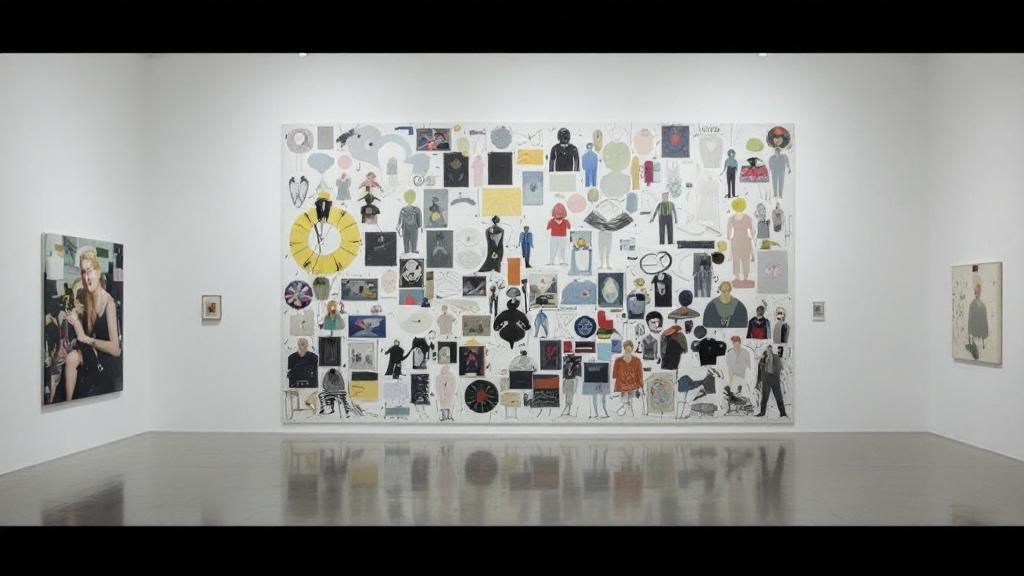
The Turner Prize shortlist has again demonstrated art’s remarkable capacity to engage and challenge, presenting a diverse collection of modern creative practitioners who are substantially transforming the contemporary artistic terrain. This year’s selection highlights diverse voices from varied backgrounds, each pushing against conventional creative conventions and prompting audiences to reconsider what art can be. From experimental installations to challenging technological creations, the shortlisted artists represent a striking evolution from tradition, suggesting an display that will certainly generate considerable debate within the artistic community and beyond.
Up-and-coming Artists Redefining Modern Artistic Expression
The Turner Prize shortlist for 2024 reflects a marked change towards diversity and creative experimentation within the modern art landscape. The selected artists demonstrate impressive adaptability, drawing on unconventional mediums and conceptual frameworks that question established aesthetic conventions. Their work covers multiple artistic fields, from immersive digital works to community-focused initiatives, capturing the changing character of artistic communication in the modern era. Each artist brings a individual voice, drawing from their particular lived experiences and lived experiences, deepening the wider dialogue about what represents significant creative work today.
What characterises this year’s cohort is their shared dedication to challenging hierarchical structures within the art establishment. These rising practitioners resist being limited by traditional gallery conventions or commercial pressures, instead prioritising authentic expression and community engagement. Their practices often interrogate power relations, identity politics, and ecological issues, demonstrating that contemporary art serves as a crucial platform for social critique and artistic discourse. By promoting such varied artistic methods, the Turner Prize reinforces its role as a progressive institution capable of recognising and recognising innovation.
The shortlisted artists’ approaches reveal a deliberate shift from purely aesthetic considerations towards more conceptually sophisticated and socially engaged frameworks. Many employ participatory elements, prompting audience interaction and joint creative work rather than passive observation. This democratisation of the artistic experience represents a fundamental rethinking of the artist-viewer relationship, dismantling traditional barriers that have historically kept apart creator from consumer. Such approaches resonate particularly strongly with contemporary audiences pursuing more meaningful and reciprocal engagement with cultural institutions.
Furthermore, the range of backgrounds evident in the shortlist highlights the worldwide scope of contemporary artistic practice. Artists from various geographical locations, cultural backgrounds, and socioeconomic circumstances bring diverse perspectives to their work. This inclusive methodology confronts the Eurocentric biases that have persistently influenced mainstream art discourse, instead advancing a more equitable and representative vision of artistic excellence. The Turner Prize’s recognition of such diversity reflects an significant dedication to decolonising cultural institutions and amplifying traditionally sidelined communities.
The creative advancement apparent in the shortlist reinforces these artists’ openness to exploring with cutting-edge innovations and non-traditional resources. Whether incorporating machine learning, environmentally responsible sources, or repurposed industrial waste, each artist reveals nuanced comprehension of how form and medium can enhance conceptual intent. This combination of contemporary technological possibilities with thoughtful artistic vision creates works that feel distinctly of our moment, speaking to current preoccupations and ambitions with compelling directness and force.
Ultimately, this year’s Turner Prize shortlist represents far more than a simple selection of gifted artists; it functions as a statement for current artistic expression itself. These rising artists collectively articulate a vision of art as fundamentally transformative, able to challenge assumptions, fostering dialogue, and imagining alternative futures. Their selection for the shortlist validates that the most significant creative achievements often come from those ready to interrogate traditional practices, embrace experimentation, and emphasise authenticity over commercial viability in their artistic pursuits.
Overcoming Organisational Obstacles
The Turner Prize shortlist exemplifies a significant shift in how established institutions celebrate and promote artistic excellence. By choosing practitioners who actively question conventional frameworks, the prize shows institutional willingness to move past conventional curatorial control. This year’s group includes practitioners working across mediums previously marginalised by dominant cultural institutions, indicating a profound reconsideration of what constitutes worthy artistic endeavour and merit.
This institutional development reflects wider public discourse about representation, accessibility, and inclusivity within the arts. The shortlist actively breaks down hierarchical structures that conventionally advantaged certain artistic disciplines and demographic groups. By elevating marginalised perspectives and non-traditional methods, the Turner Prize reinforces that creative limits are growing more flexible, urging museums and galleries to reconsider their acquisition and exhibition strategies.
Integrated Approaches
Contemporary creative practice progressively transcends traditional categorical divisions, with shortlisted artists intentionally merging varied approaches and fields. This interdisciplinary impulse reflects contemporary reality, where digital technology, cultural critique, and theoretical structures converge naturally. The chosen practitioners demonstrate nuanced comprehension that meaningful artistic expression often emerges from surprising intersections between ostensibly unrelated creative domains and conceptual methodologies.
The Turner Prize’s acknowledgement of interdisciplinary work affirms experimental approaches that resists straightforward categorisation. These artists employ installation, performance, video, and conventional media concurrently, creating sophisticated works that demand engaged audience participation. Such methods substantially question established conventions about how art should be displayed, engaged with, and critically evaluated within formal gallery contexts.
- Digital technology combined with sculptural installation approaches
- Performance art merged with documentary photography methods
- Video work merged with architectural intervention approaches
- Conceptual frameworks combining social activism with artistic practice
- Traditional painting methods enhanced through multimedia projection
The Future of Creative Acknowledgement
The Turner Prize’s shift towards inclusivity points to a promising trajectory for cultural organisations globally. By promoting varied viewpoints and non-traditional media, the prize establishes a standard that challenges the exclusionary practices traditionally entrenched in the artistic establishment. This change motivates up-and-coming practitioners from excluded populations to follow their creative work without risk of dismissal, cultivating a more inclusive landscape where merit supersedes socioeconomic privilege and social origin.
As current art engages with pressing societal issues, the Turner Prize functions as a barometer for creative discourse. The selected nominees examine topics covering environmental sustainability to online presence, illustrating art’s essential contribution in challenging contemporary issues. Their work reflects an more socially engaged generation of creators committed to leverage their influence responsibly, converting exhibition spaces into venues for substantive dialogue rather than superficial beauty consumption.
Looking forward, the Turner Prize’s influence on artistic recognition cannot be understated. Museums and galleries worldwide are reassessing their exhibition strategies, acknowledging the cultural and commercial value of platforming underrepresented voices. This institutional reassessment promises to transform financial structures, curatorial practices, and educational curricula, ultimately democratising access to artistic spaces and opportunities historically limited to privileged cohorts.
The shortlist’s structure suggests that artistic boundaries are becoming increasingly fluid and open to reinterpretation. Rather than sticking with rigid categorisations, contemporary practitioners are combining practices, fusing traditional techniques with advanced tools. This multi-disciplinary strategy strengthens the artistic discourse, prompting viewers to abandon preconceived notions about what constitutes valid creative work and welcome innovation.
Ultimately, the Turner Prize illustrates how institutional recognition can spark broader cultural transformation. By championing diverse artistic voices and questioning conventional hierarchies, the prize contributes to a more inclusive creative ecosystem. This momentum must persist through sustained commitment from galleries, collectors, and critics who together influence which narratives achieve visibility and which stay excluded within the contemporary art world.
The conversation launched by this year’s shortlist goes further than the prize ceremony itself, resonating across artistic communities and shaping future generations of creators. As emerging artists see their peers receiving official recognition for challenging traditional boundaries, they are emboldened to pursue increasingly audacious work. This ongoing cycle of recognition and inspiration promises to continuously broaden artistic possibilities, ensuring that the Turner Prize remains a essential force for innovation and cultural progress.
